

Awareness
If you’ve ever left a doctor’s office feeling unheard, you’re not alone. Many people with complex chronic conditions and rare diseases spend years searching for answers. That’s why the zebra has become a symbol for the rare or misunderstood disease community—because when doctors hear hoofbeats, they often assume “horses,” not “zebras.”
This post isn’t medical advice—it’s an awareness piece. It’s here to encourage, inform, and give you practical ideas for the journey ahead.
My Story
For me, it started with back pain. I even went to one of the best hospitals in the world. After scans and very few tests, I was sent home with no answers. What no one realized at the time was that my back pain was just the beginning of a much larger, systemic disease that affected my muscles, capillaries, and connective tissue. I looked young and fit, so no one took me very seriously, even when I got to the point where I couldn’t feed myself.
If I had focused only on my back, I might have stayed stuck. But when I began connecting all the dots—cramping, stiffness, weakness, pain, and other signs—the bigger picture finally started to emerge.

“Many patients wait five, ten, or more years before getting an answer. They may be told “it’s just anxiety” or “it’s nothing serious.” But the truth is: something is going on.”
Complex chronic conditions are long-term illnesses that affect multiple body systems and are often poorly understood. Rare diseases, while each individually uncommon, collectively affect millions of people worldwide.
What people can do:
- Ask for a differential diagnosis: don’t just accept the first label or dismissal. Push your doctors for more testing and to consider what else it could be.
- Think in different systems: immune, digestive, cardiovascular, neurological, musculoskeletal. Sometimes the answer is in a system the first doctor never considered.
- Example: unexplained fatigue might be autoimmune, metabolic, cardiac, or infectious. A digestive problem might be inflammation, immune dysfunction, or connective tissue weakness.
- Use technology wisely: tools like ChatGPT can help you research conditions, brainstorm possible differential diagnoses, and prepare questions for your doctor.
- Find your community: support groups on Facebook, Twitter/X, or through nonprofits (EDS Society, Solve ME, Dysautonomia International, cancer advocacy groups) are invaluable.
- Track your story: keep a journal of symptoms, triggers, and changes. Doctors may not see you every day—but you do.
Don’t give up: dismissal is not proof that nothing is wrong.
Commonly Overlooked
Ehler’s Danlos Syndrome
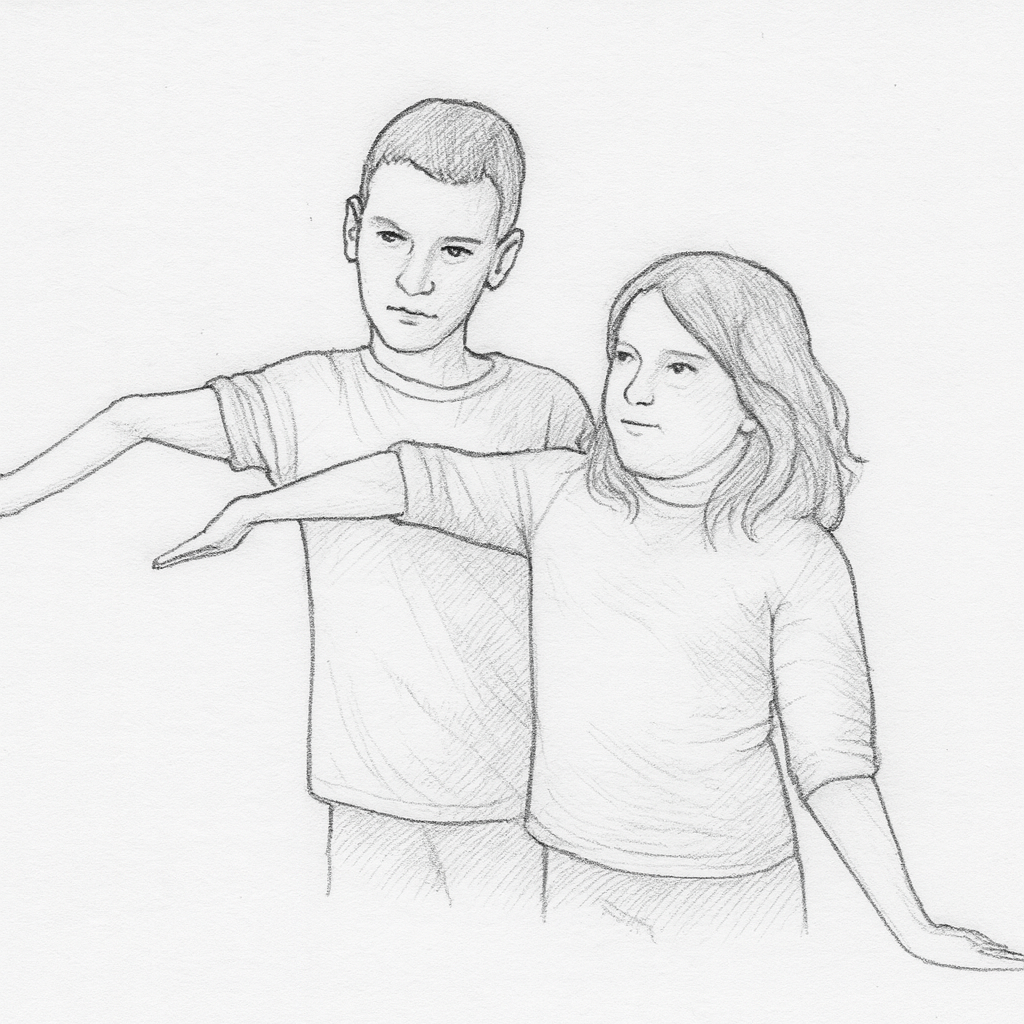
A connective tissue disorder that can cause hypermobile joints, fragile skin, chronic pain, inflammation,
digestive problems, and, rarely, dangerous vascular and heart complications. It is often dismissed as clumsiness, growing pains, or simple flexibility.
Doctors will often say that there’s nothing they can do, but the truth is that there are many treatments to improve quality of life.
And don’t let it fool you. Not every person with EDS has all or even many of the symptoms listed above. It shows up uniquely in each person.
What is Connective Tissue?
Connective tissue is the “glue” that holds the body together. It’s found almost everywhere: in your skin, joints, ligaments, muscles, blood vessels, and even around your organs. Think of it as the body’s framework and support system.
A few everyday analogies help make sense of it:
- Glue or tape – it sticks everything in place and keeps it from falling apart.
- Elastic bands – it stretches and bounces back, letting your joints move smoothly.
- Packing material – it cushions and supports delicate organs, much like bubble wrap protects fragile items in a box.
When connective tissue doesn’t work properly—as in Ehlers-Danlos Syndrome—it can be too loose, too fragile, too stiff, inflamed, or unstable. That can lead to hypermobile joints, fragile skin, slow healing, chronic pain, or even in rare cases, serious vascular problems.
Commonly Overlooked
ME/CFS
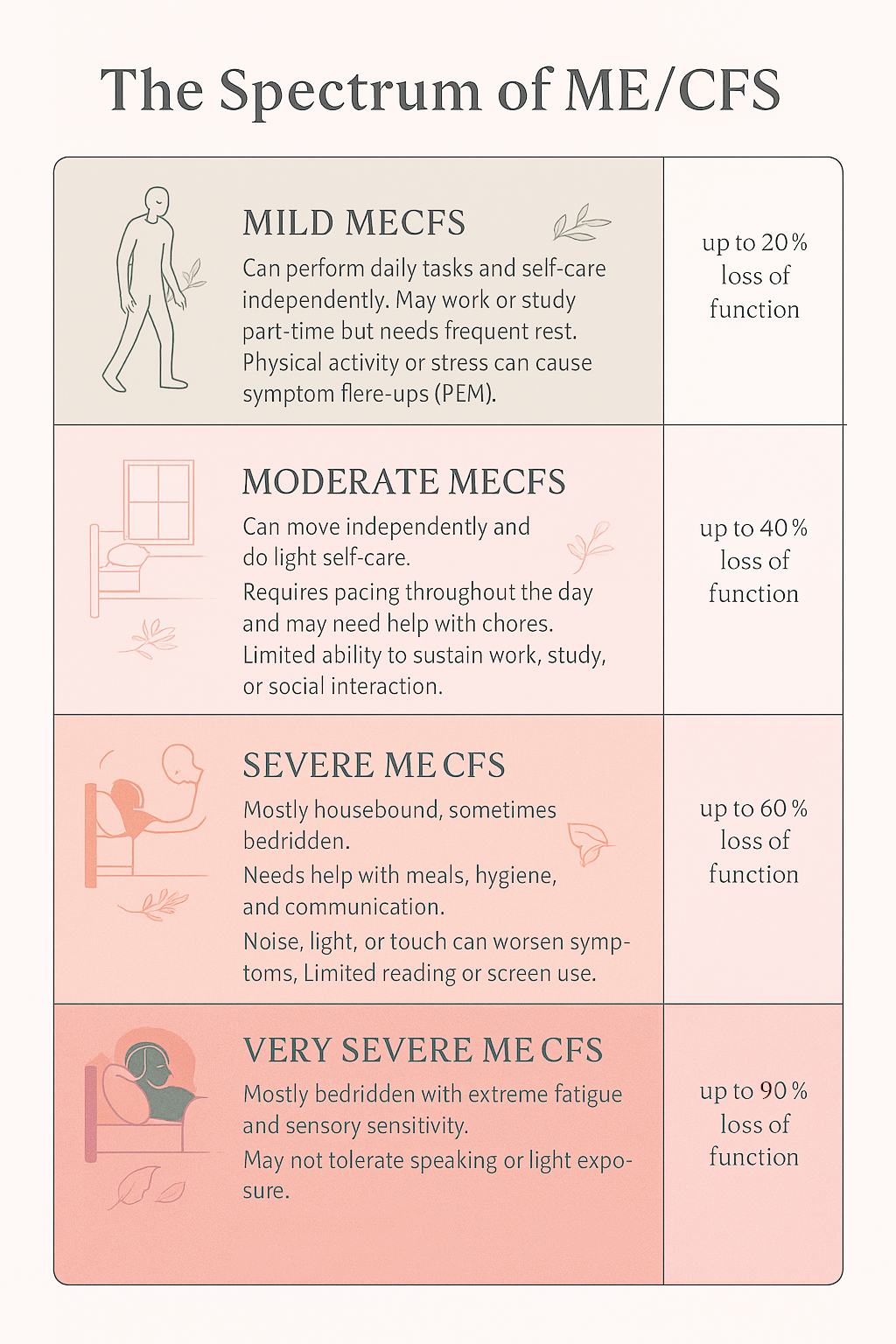
ME/CFS (Myalgic Encephalomyelitis / Chronic Fatigue Syndrome)
A dangerous disease marked by an increase of symptoms after exertion called post-exertional malaise (PEM), and often persistent fatigue that isn’t relieved by rest. Long Covid has finally brought more attention to this often-overlooked illness, which is present in a certain percentage of Long Covid patients.
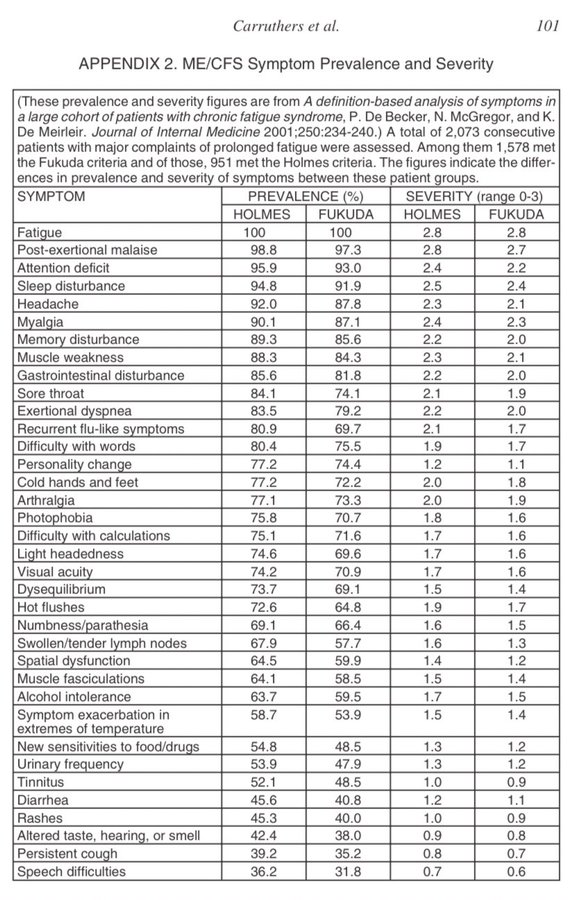
Post-Exertional Malaise (PEM) – The Hallmark of ME/CFS
PEM means that after even small amounts of activity—physical, mental, or emotional—symptoms of any type can flare up for days, weeks, or longer. It’s not “being tired.” It’s a deep worsening of the entire illness, which is one of the most disabling diseases in the world.
If you notice your baseline or abilities keep getting lower over time or even quickly (“like falling off a cliff”), that’s almost always a sign of PEM, even if it didn’t show up at first. Early on you may bounce back, but as severity increases, the baseline may shift downward permanently or for months/years.
⚠️ With PEM, the usual advice of “push through” can be harmful. Doctors and physical therapists often recommend this, but for PEM it can worsen the disease and cause lasting setbacks. Instead, pacing and energy management—staying within your “energy envelope”—is the most protective strategy.
Severe ME/CFS has been shown to have the lowest quality of life of almost any disease on the planet, to the point where some patients must lie alone in dark rooms and require feeding tubes to survive.
Commonly Overlooked
MCAS
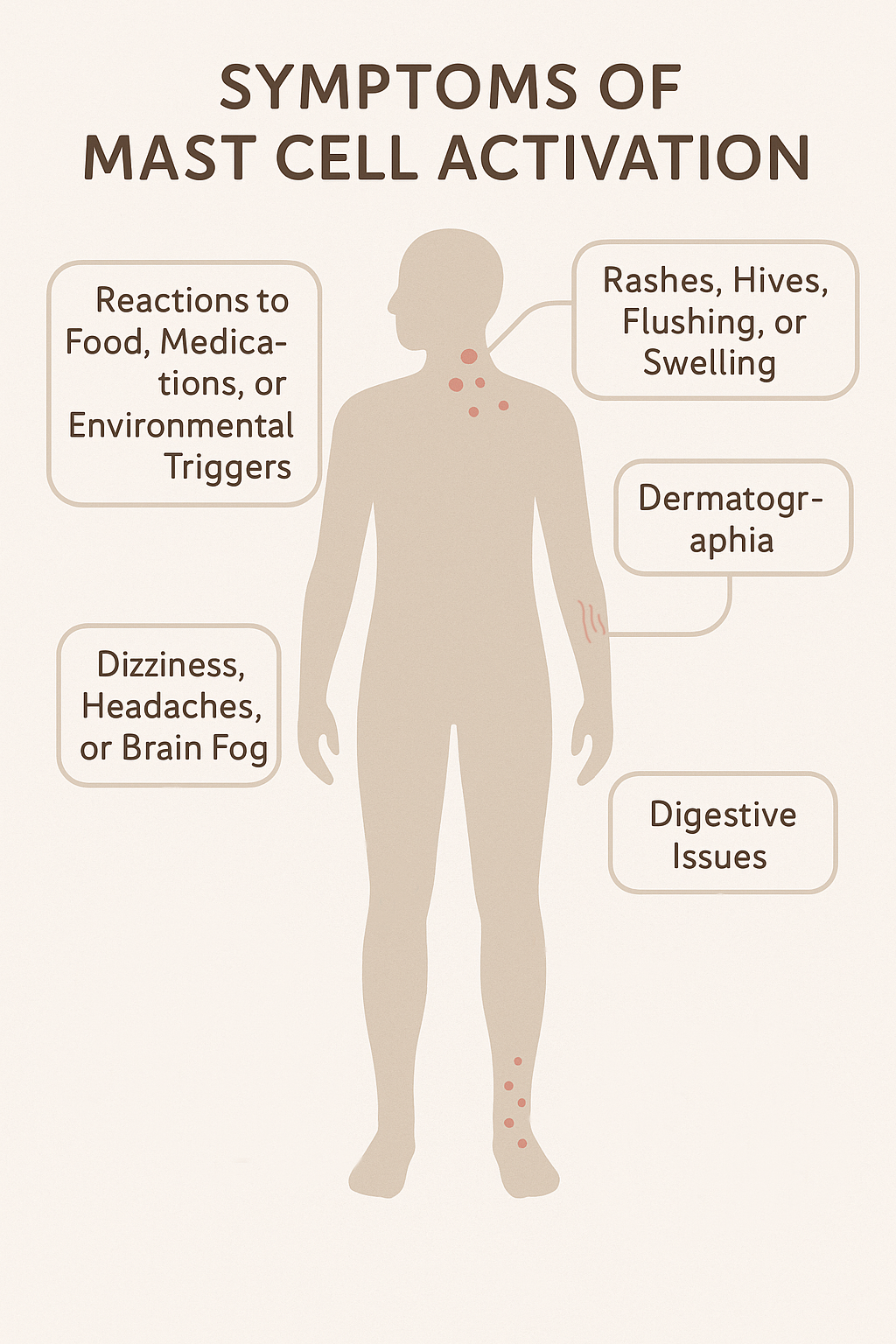
MCAS (Mast Cell Activation Syndrome) is another complex condition that often goes undiagnosed for years. Mast cells are part of the immune system and are meant to protect us, but in MCAS, they release chemical mediators (like histamine) too often or at the wrong times.
Common signs include:
- Reactions to foods, medications, or environmental triggers
- Rashes, hives, flushing, or swelling
- Dermatographia
- Digestive issues (nausea, abdominal pain, diarrhea)
- Dizziness, headaches, or “brain fog”
- Severe allergic-type reactions without clear allergies
What makes MCAS difficult is that it mimics many other conditions, and standard allergy tests often come back normal. It also overlaps with EDS and POTS, creating what some researchers call the “trifecta.”
Diagnosis usually requires specialized testing and a knowledgeable doctor. For patients, the key is tracking symptoms and triggers, and recognizing that unexplained multisystem reactions might point toward mast cell involvement.
Commonly Overlooked
Postural Orthostatic Tachychardia Syndrome
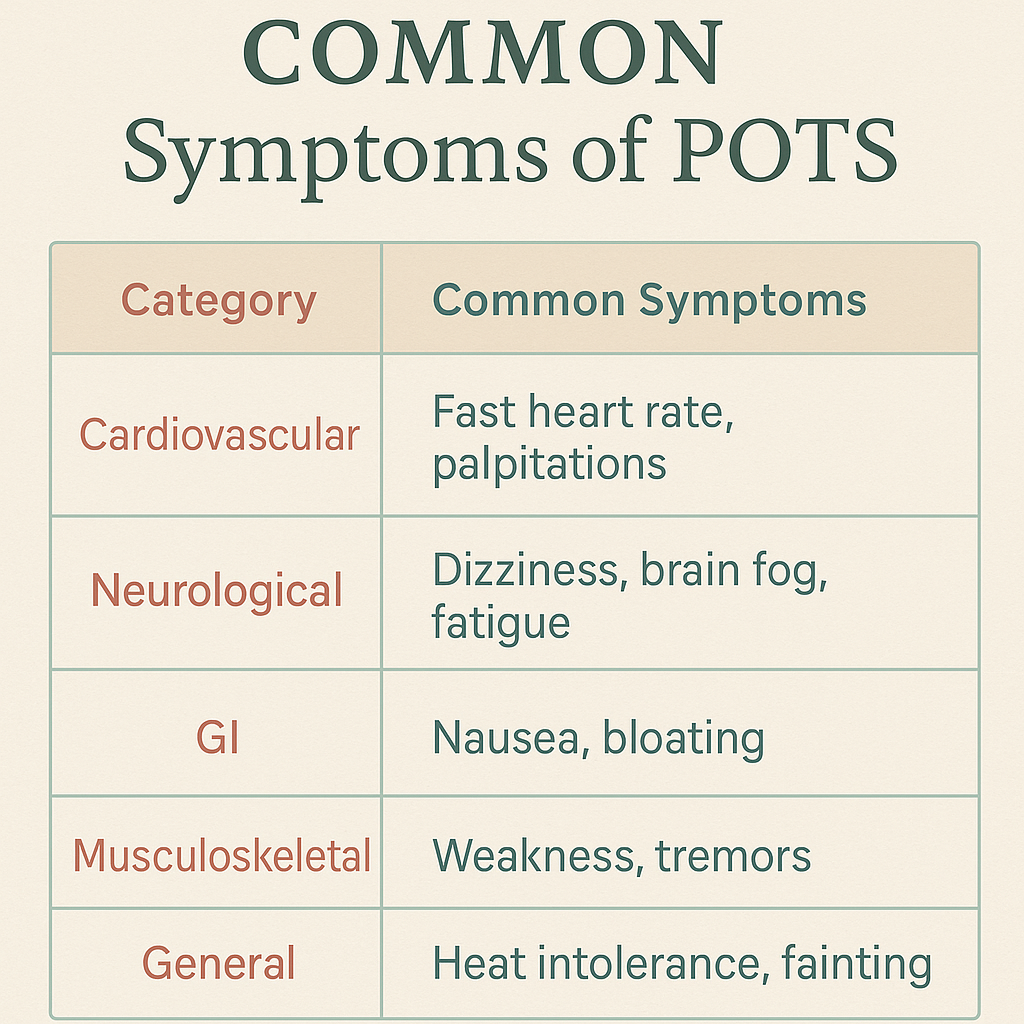
POTS is a disorder of the autonomic nervous system—the part of your body that controls things you don’t have to think about, like heart rate, blood pressure, digestion, and temperature regulation. You can think of it as your body’s “autopilot.” When that system stops working properly, everything can start to feel off balance.
In POTS, the main issue appears when you stand up. Normally, when someone stands, the body automatically tightens blood vessels and adjusts heart rate so blood keeps flowing to the brain. But with POTS, those adjustments don’t happen the way they should. Blood pools in the lower body, the brain gets less oxygen, and the heart races to compensate.
Common symptoms include:
- Lightheadedness or dizziness upon standing
- Rapid heart rate (often 30+ beats per minute higher than when lying down)
- Fainting or feeling close to fainting
- Fatigue and brain fog
- Headaches, nausea, and temperature sensitivity
- Shakiness, chest pain, or shortness of breath
POTS can be triggered by infections, trauma, surgery, compression syndromes, or even periods of immobility. Some people develop it suddenly after a viral illness, pregnancy, or COVID-19. Others develop it gradually alongside conditions like EDS or MCAS, which share overlapping mechanisms.
In recent years, researchers have discovered that for some patients, POTS may actually have an autoimmune component. Studies have found autoantibodies against muscarinic and adrenergic receptors—proteins that help control heart rate, blood vessel tone, and autonomic function. When these antibodies interfere with receptor signaling, the body’s “autopilot” begins to malfunction, leading to many of the hallmark symptoms of POTS.
Doctors often mistake POTS for anxiety because of the rapid heartbeat and dizziness—but the cause is physical, not psychological. In fact, POTS patients are often incredibly resilient, managing a condition that affects their circulation and nervous system every day.
While there’s no single cure, treatments focus on improving blood flow and stabilizing the autonomic system—through hydration, salt, compression garments, medications, and pacing activity levels. Diagnosis typically involves a tilt table test or measuring heart rate and blood pressure changes when moving from lying down to standing. Caution should be taken with the tilt table as it can cause a worsening of symptoms especially in those with ME/CFS or severe illness.
Understanding POTS is crucial because it’s one of those hidden illnesses: you can look perfectly fine while your body is working overtime just to stay upright.
Commonly Overlooked
Autoimmunity & Other Diseases Worth Considering
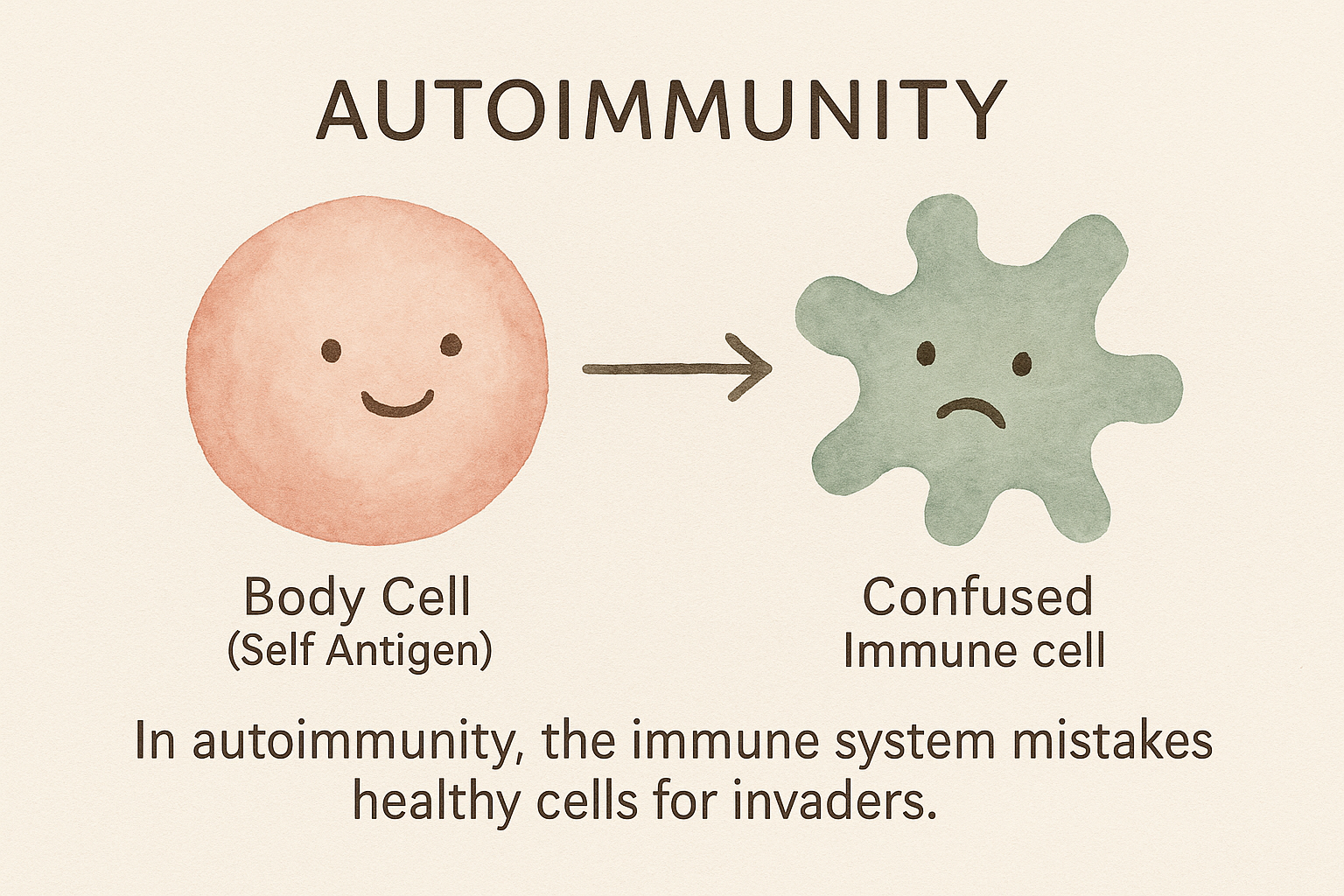
Another area to consider when symptoms remain unexplained is autoimmunity. Autoimmune diseases happen when the immune system mistakenly attacks the body’s own tissues. Some, like lupus, multiple sclerosis, or rheumatoid arthritis, are well known. Others are far less recognized or overlap with rare conditions. Labs can miss autoantibodies.
Inflammation from autoimmunity can affect nearly every system—joints, skin, muscles, nerves, digestion, and even the brain. Because of this, patients often get shuffled between specialists without anyone seeing the bigger picture.
If your labs show signs of inflammation (like elevated CRP, ESR, or autoantibodies), or if you notice flares that worsen with stress or illness, it may be worth exploring autoimmune causes. Early detection can change treatment options and outcomes.
While this post highlights a few key conditions, there are many other chronic illnesses that are often overlooked or misunderstood. Some examples include:
- Microclots– Clots made with protein that are too small for most labs to detect. These can be present in many chronic diseases and continue or even cause the cycle.
- Fibromyalgia – Widespread pain, fatigue, and sensory sensitivity.
- Chronic Lyme disease & tick-borne infections – Persistent symptoms long after initial infection.
- Chronic migraine & headache disorders – Neurological and inflammatory conditions that can overlap with fatigue and dizziness.
- Cancer
- Red flags to never ignore:
- Unexplained weight loss
- Persistent cough or voice changes
- Blood in stool or urine
- Night sweats or fevers that won’t resolve
- New or unhealing lumps
- Changing, multicolored, or misshappen moles
- Red flags to never ignore:
- Diabetes
- Compression Syndromes
- Chronic kidney disease or liver disease – Sometimes silent until later stages.
- Endocrine disorders – Such as thyroid disease or adrenal dysfunction.
- Rare metabolic or mitochondrial conditions – Affecting how cells produce and use energy.
- Nutrient deficiencies like Vitamin D, B12, or Iron
Each of these can mimic or overlap with the conditions already discussed. The key takeaway is this: if your symptoms are persistent and unexplained, don’t assume it’s “all in your head.” Whether it’s common or rare, every serious condition deserves to be investigated thoroughly.
Commonly Overlooked
Long Covid
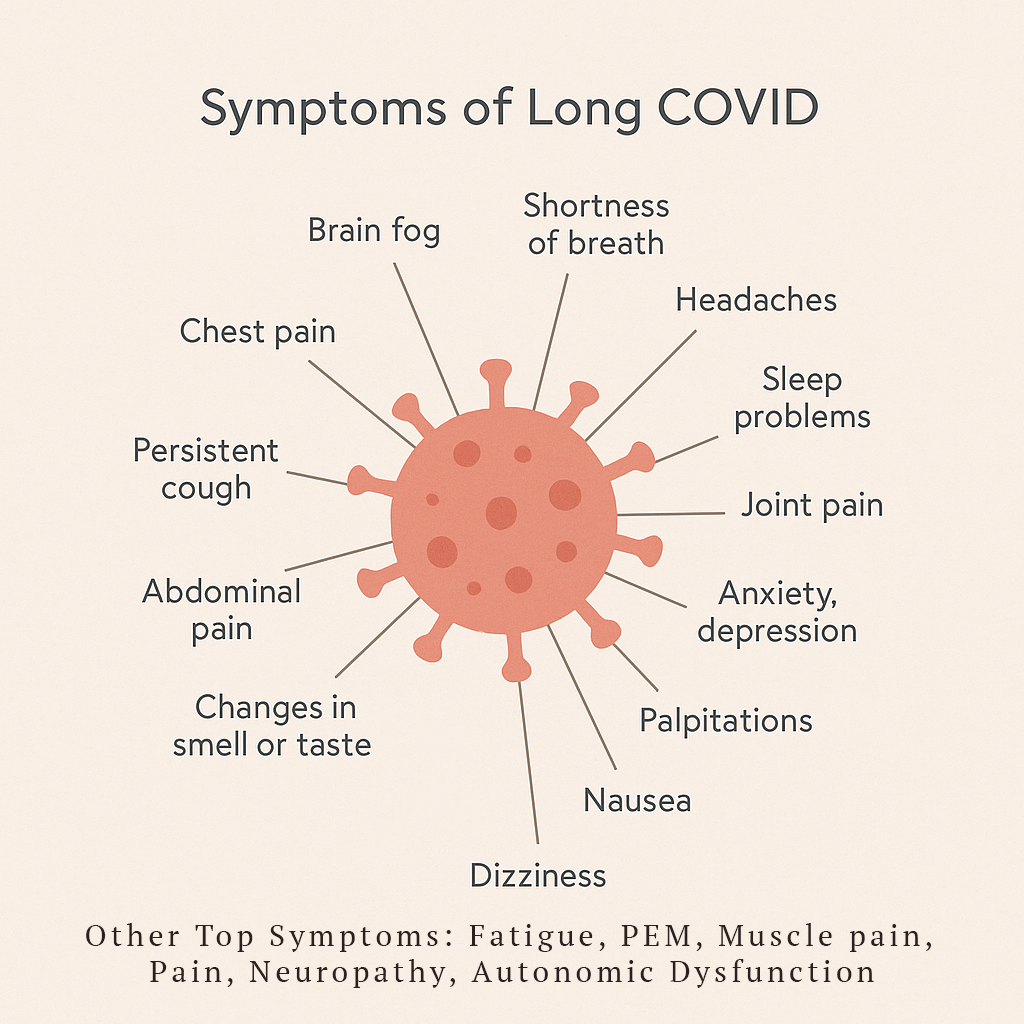
Long COVID has shown the world what patients with complex chronic illness have known for years: that infections can trigger long-term, disabling conditions. For many, COVID-19 wasn’t just an acute illness—it became the spark for chronic symptoms like fatigue, brain fog, shortness of breath, palpitations, and pain.
What’s important to understand is that Long COVID doesn’t stand alone. Research shows it overlaps with conditions like ME/CFS, POTS, and MCAS. In other words, the same mechanisms driving Long COVID may have been affecting people with these conditions all along—they just weren’t recognized.
Long COVID is also a reminder that chronic illness can happen to anyone. Patients who were previously healthy and athletic are suddenly bedbound. This shift has increased awareness, funding, and scientific interest, but there’s still a long way to go.
For those struggling after COVID, the same principles apply:
-
- Don’t let dismissal stop you.
- Track symptoms carefully.
- Explore connections between systems.
- Find community—because you are not alone.
Commonly Overlooked
Rare Genetic Conditions

Rare diseases often hide in plain sight. People with serious, unexplained symptoms can wait years—or even decades—before someone considers a genetic cause. In reality, genetic testing should be one of the first steps when symptoms remain unexplained. It can save years of suffering, prevent misdiagnosis, and guide treatment.
Unfortunately, most insurance plans still don’t cover early genetic testing, and many geneticists focus only on major mutations—the kind that cause clear, obvious syndromes. But this leaves out a huge piece of the puzzle.
For many patients, it might not be just one big mutation. It’s a combination of multiple smaller variants that interact in ways we don’t yet fully understand. These clusters of genetic differences can affect how your immune system, muscles, connective tissue, or metabolism function.
The science is still emerging, and often there’s not a simple “yes or no” answer. But genetic data can give important clues, especially when paired with:
- Careful symptom tracking
- Scientific papers on the specific mutations
- Communities of patients who share research and experience
Mapping out multiple mutations and their combined effects may be the future of rare disease medicine. For now, it’s a growing field that requires persistence and continued analysis.
Resources
Organizations & Groups

Ehlers-Danlos Syndrome
- The Ehlers-Danlos Society – www.ehlers-danlos.com
ME/CFS and Post-Exertional Malaise (PEM)
- Solve ME/CFS Initiative – www.solvecfs.org
- ME Action Network – www.meaction.net
POTS and Dysautonomia
- DysautonomiaInternational www.dysautonomiainternational.org
Cancer Awareness
- American Cancer Society – www.cancer.org
- National Cancer Institute (NCI) – www.cancer.gov
Rare Diseases & Genetics
- Genetic Alliance – www.geneticalliance.org
National Organization for Rare Disorders (NORD) – www.rarediseases.org
Mast Cell Activation Syndrome (MCAS)
- The Mast Cell Disease Society (TMS) – tmsforacure.org
Autoimmunity & Inflammation
- American Autoimmune Related Diseases Association (AARDA) – www.aarda.org
Long COVID
- Patient-Led Research Collaborative – patientresearchcovid19.com
- Long COVID Alliance – longcovidalliance.org
Fibromyalgia
- National Fibromyalgia Association – www.fmaware.org
Lyme & Tick-Borne Illness
- Global Lyme Alliance – www.globallymealliance.org
Migraine & Headache Disorders
- American Migraine Foundation – americanmigrainefoundation.org
Endocrine Disorders
- Hormone Health Network (Endocrine Society) – www.hormone.org
Metabolic & Mitochondrial Disorders
United Mitochondrial Disease Foundation (UMDF) – umdf.org