🌼 Meet the “Weed” You’ve Probably Walked Past
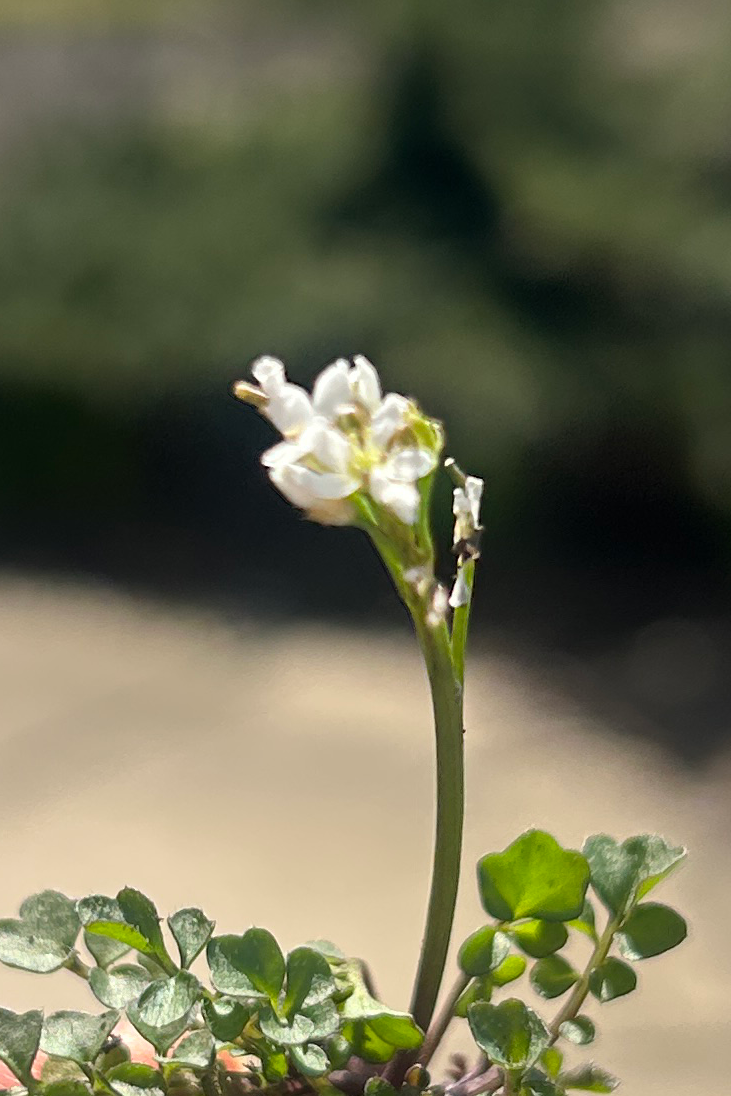
If you’ve ever noticed a tiny white flower popping up in your yard, garden bed, or even between sidewalk cracks…
you’ve likely met hairy bittercress.
At first glance, it’s easy to ignore.
It’s small. Simple. Almost invisible unless you’re looking closely.
But once you stop and really look—it’s actually one of the most interesting little plants you’ll find.
🌱 What Is Hairy Bittercress?
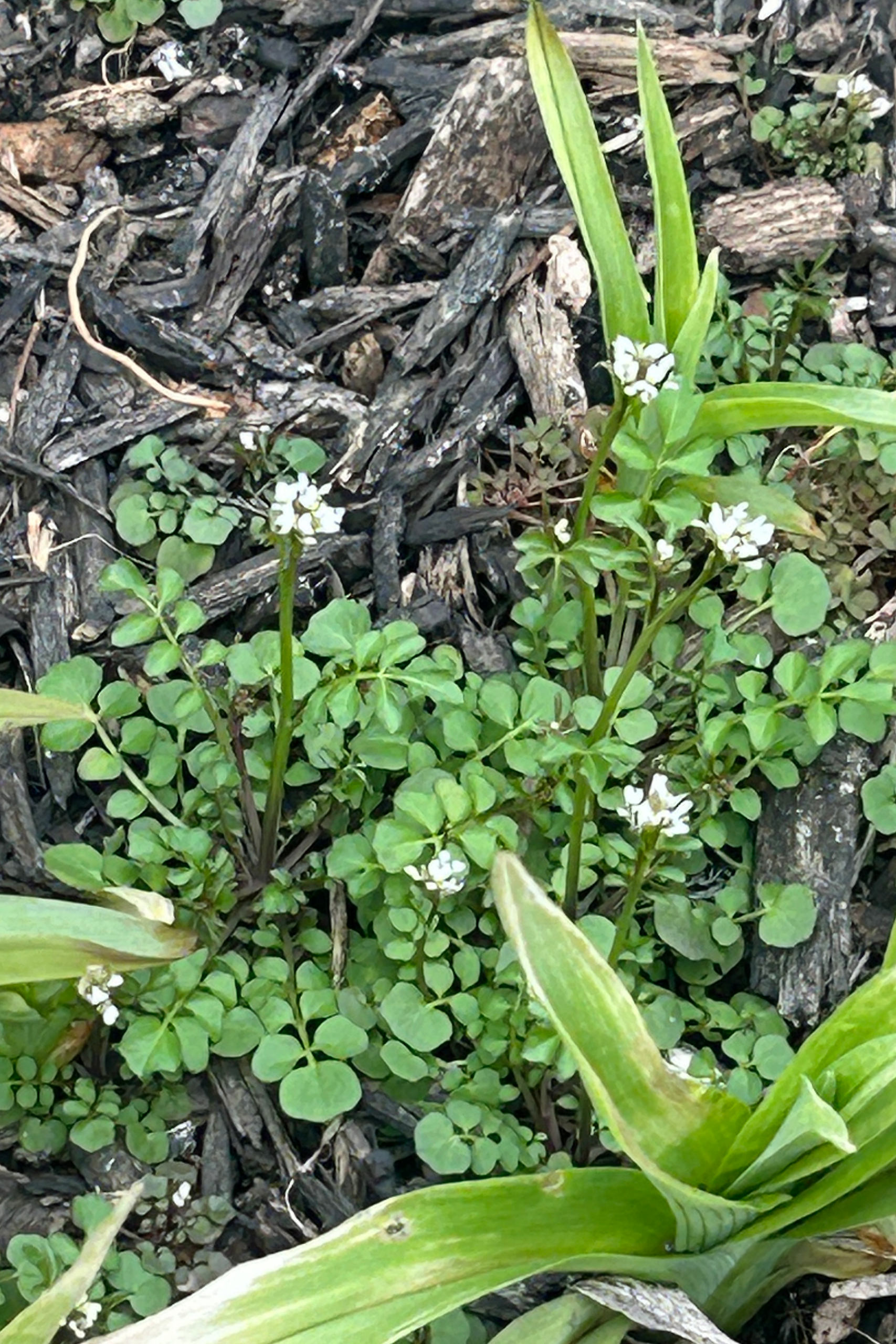
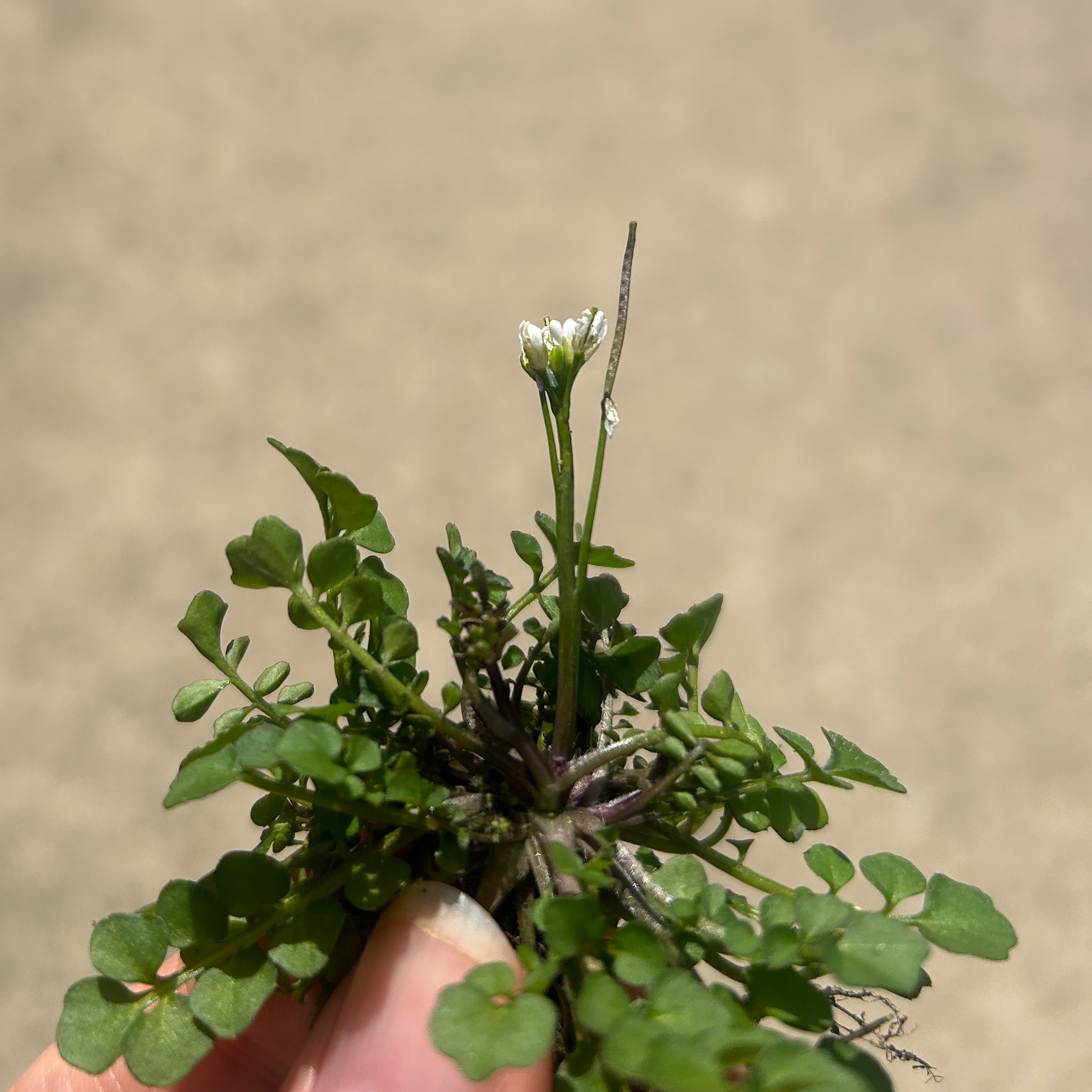
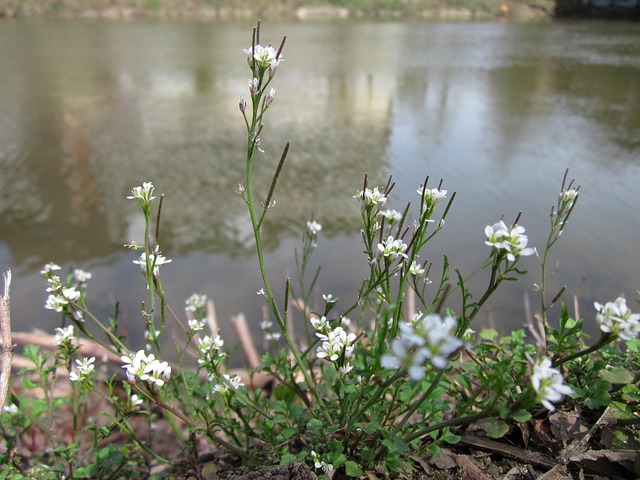
Hairy bittercress (Cardamine hirsuta) is a common lawn weed that belongs to the mustard family—which means it’s related to things like broccoli and arugula.
You’ll recognize it by:
- A low cluster of small rounded leaves
- A thin stem rising up from the center
- Tiny white flowers with four petals
- Very shallow roots (it pulls up easily)
It tends to show up in:
- Lawns
- Garden beds
- Walkways and edges
Early spring or even late winter
💥 The Wild Part: It Shoots Its Seeds
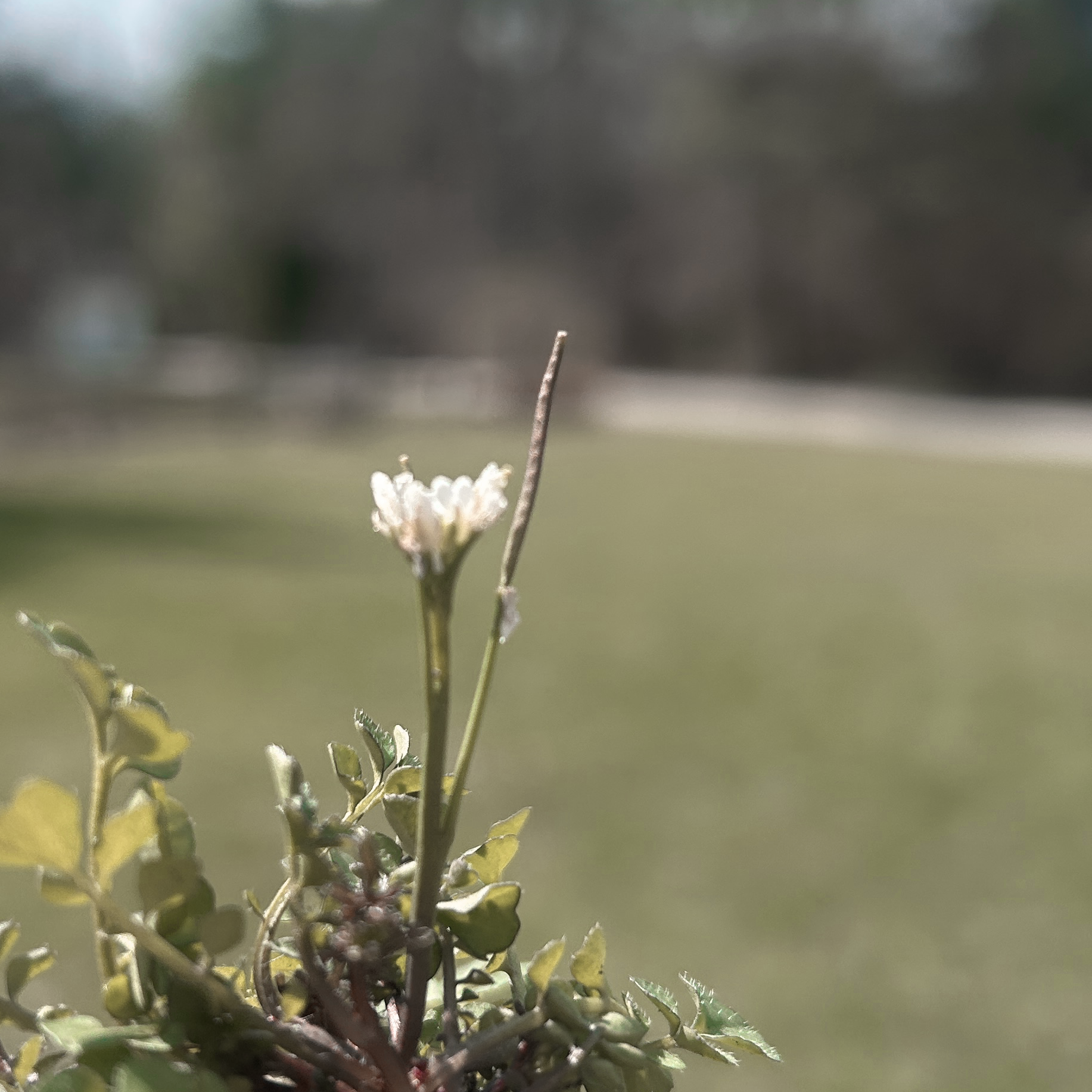
After it flowers, bittercress forms long, skinny seed pods.
And when they’re ready…
They explode.
Not dramatically—but enough to:
- Shoot seeds several feet away
- Spread quickly across your yard
- Pop when touched (kids love this part)
This is one of the reasons it seems to appear everywhere overnight.
🥗 Yes… You Can Actually Eat It
Even though most people pull it out, bittercress is technically edible.
- Flavor: peppery, similar to arugula
- Best use: small amounts in salads or as a garnish
- Bonus: contains vitamin C and antioxidants
(As always, only eat wild plants if you’re 100% confident in identification.)
🍃 Leaves (best part)
- Most commonly eaten
- Flavor: peppery, like arugula or watercress
- Best when:
- Young and tender
- Used fresh in salads, sandwiches, or sprinkled on food
This is the part people actually enjoy
🌼 Flowers
- Edible
- Mild flavor (less peppery than leaves)
- Great as:
- Garnish
- Mixed into salads
🌱 Stems
- Edible, but:
- Can get stringy or slightly tough as the plant matures
- Best when young
🌾 Seed pods
- Edible but:
- Very small
- Stronger flavor
- More of a curiosity than something you’d harvest in quantity
🌿 Roots
- Technically edible, but not really used
- Reasons:
- Very tiny and thin
- Not flavorful or worth the effort
- Most people just discard them
👉 So yes, you can eat them, but there’s really no reason to
🍵 Can you make tea?
You can, but it’s not common.
If you did:
- Use leaves and flowers
- Expect a mild, slightly peppery / green taste
It’s not like a cozy herbal tea (chamomile, mint, etc.)—more like a light, slightly spicy infusion.
Most people prefer it fresh rather than brewed
A couple of important notes
- Only eat it if you’re 100% sure of identification
- Avoid harvesting from:
- Roadsides
- Chemically treated lawns
- Start small—peppery greens can be strong if you’re not used to them
🌿 Meal idea
- Sprinkle a few leaves + flowers over:
- Avocado toast
- Eggs
- Salad
It turns something most people pull out and throw away into something intentional and beautiful, but has it’s own value.
🌍 Where It Came From
Hairy bittercress originally comes from Europe and parts of Asia, but now grows almost everywhere.
It spread easily because:
- It thrives in disturbed soil (like gardens and paths)
- It produces seeds very quickly
- And… well… exploding seed pods don’t hurt
Today, it’s considered a “cosmopolitan weed”—which means it follows people wherever they go.
🌿 Why It Shows Up in Your Yard
If you’re seeing it, your yard likely has:
- Moist soil
- Open or disturbed areas
- Early-season growing conditions
It’s a fast grower, meaning:
- It appears early
- Flowers quickly
- Drops seeds
- Then disappears before summer
Hairy bittercress might technically be a weed…
but it’s also:
- One of the first signs of spring
- A plant with a surprisingly clever survival strategy
- And a reminder that even the smallest things in your yard can be worth noticing
Next time you see one, take a second look.
It’s doing a lot more than you’d expect.
See some of our designs that celebrate flowers below ⬇️
-
Sale!
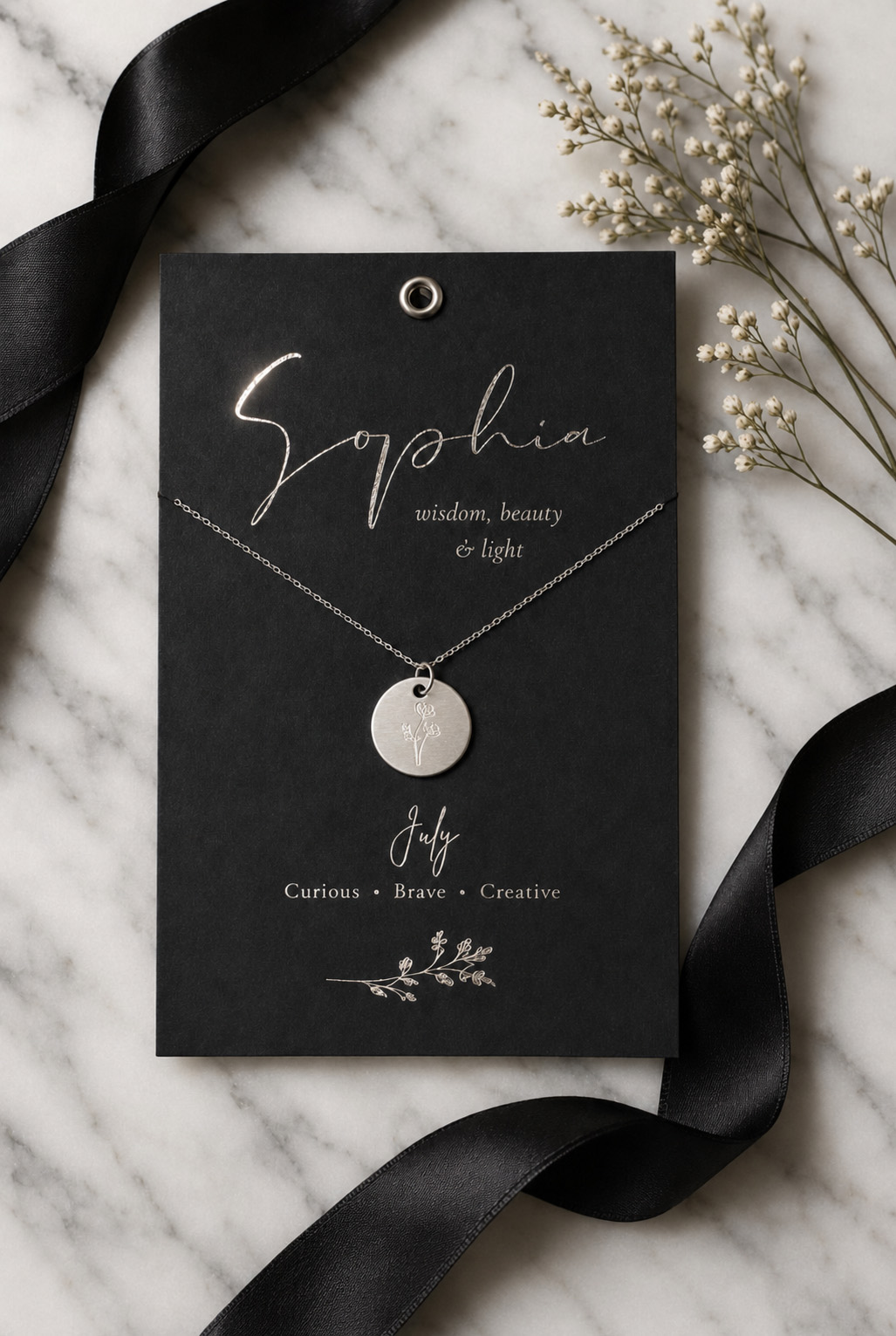
Personalized Poppy Necklace With Silver Foil Meaning Card
Original price was: $39.99.$34.99Current price is: $34.99. -
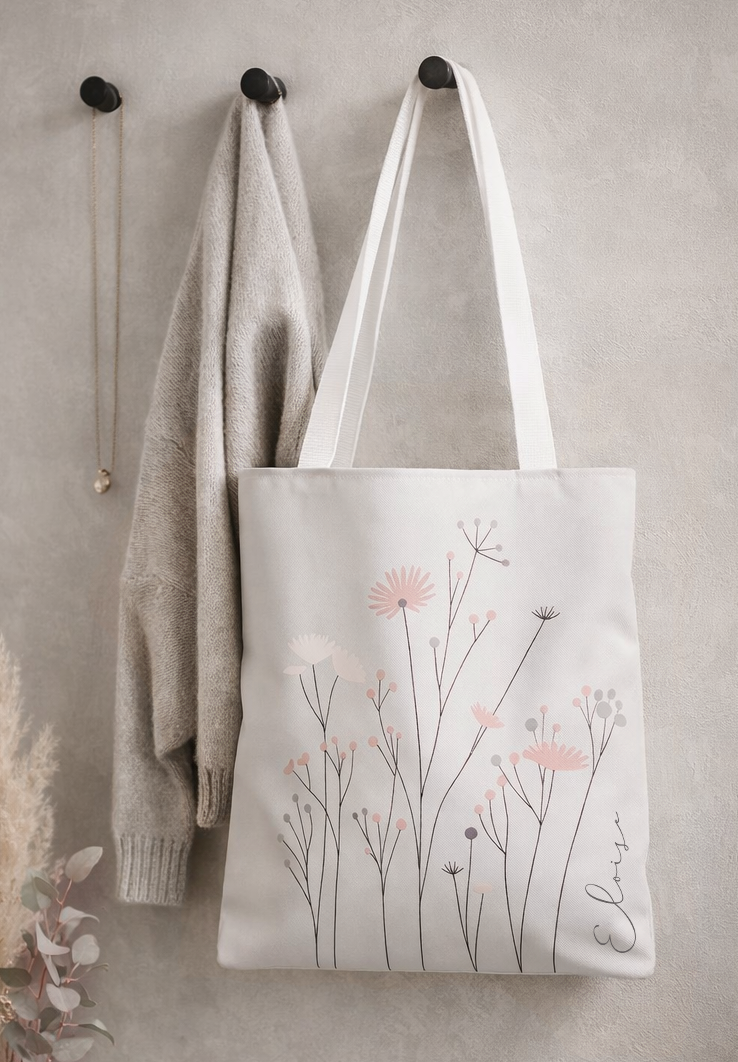
Blush Wildflower Tote Bag
Price range: $19.99 through $24.99 -
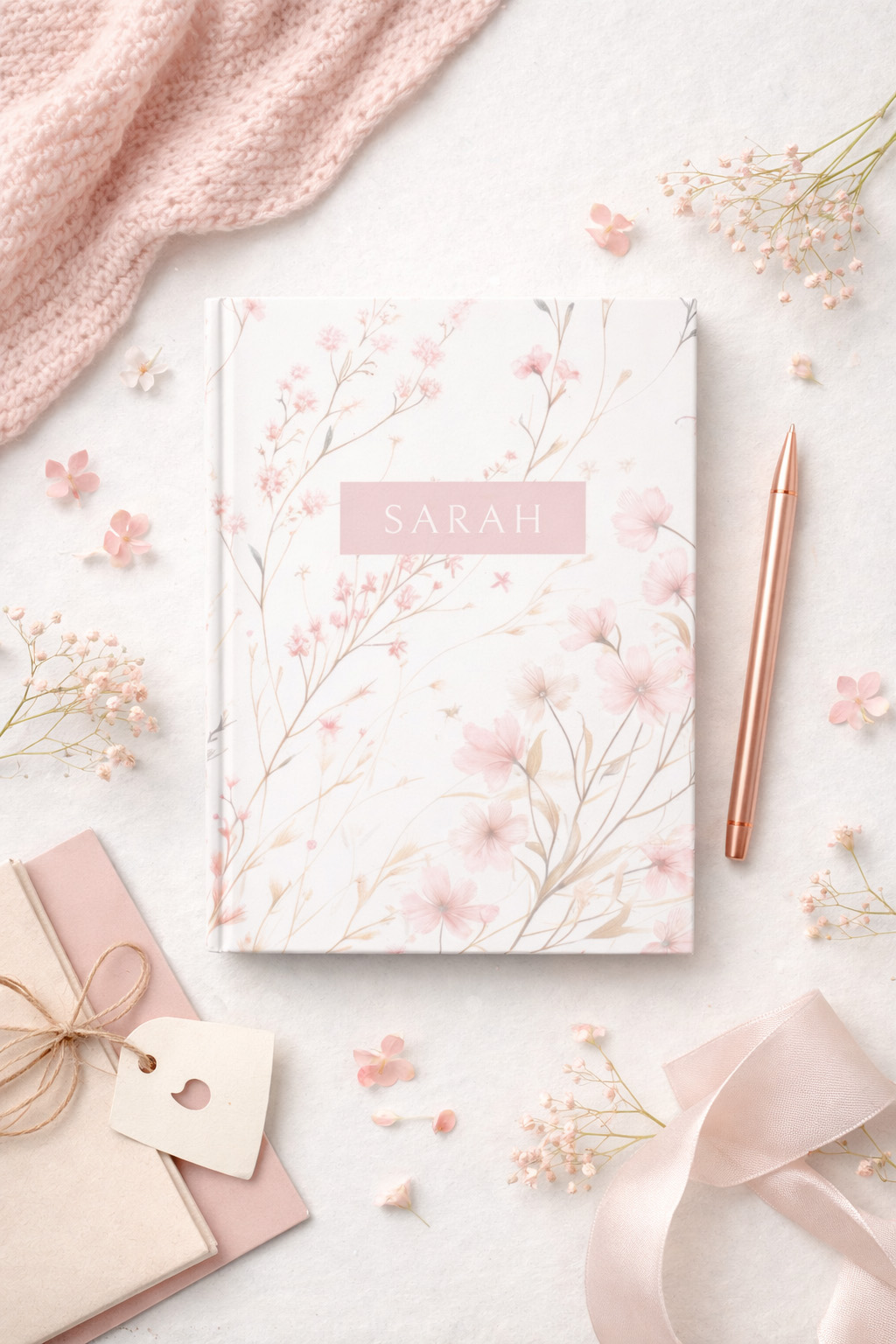
Personalized Floral Journal – Blush Heirloom
$18.99 -
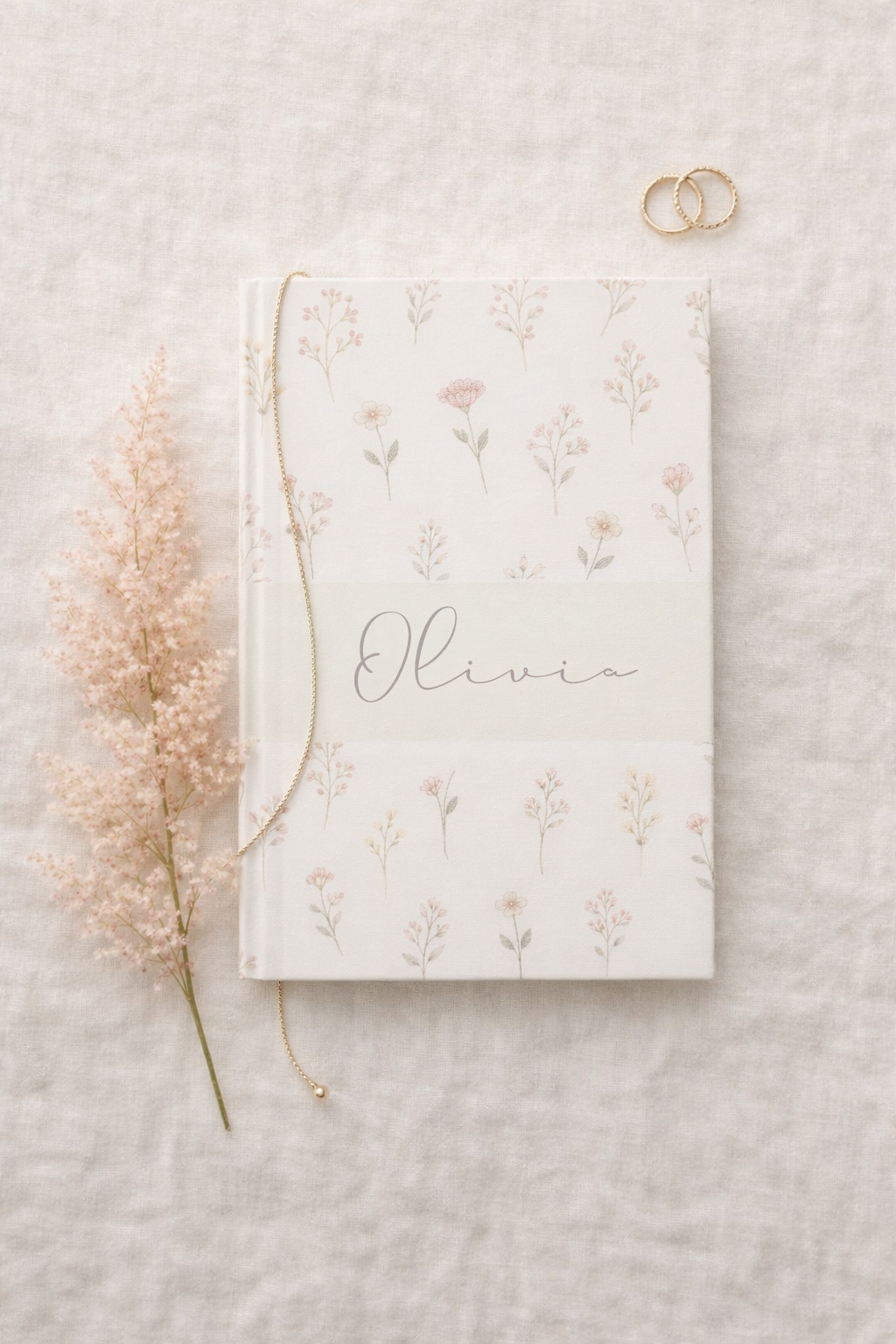
Personalized Floral Journal – Wildflower Heirloom
$18.99 -
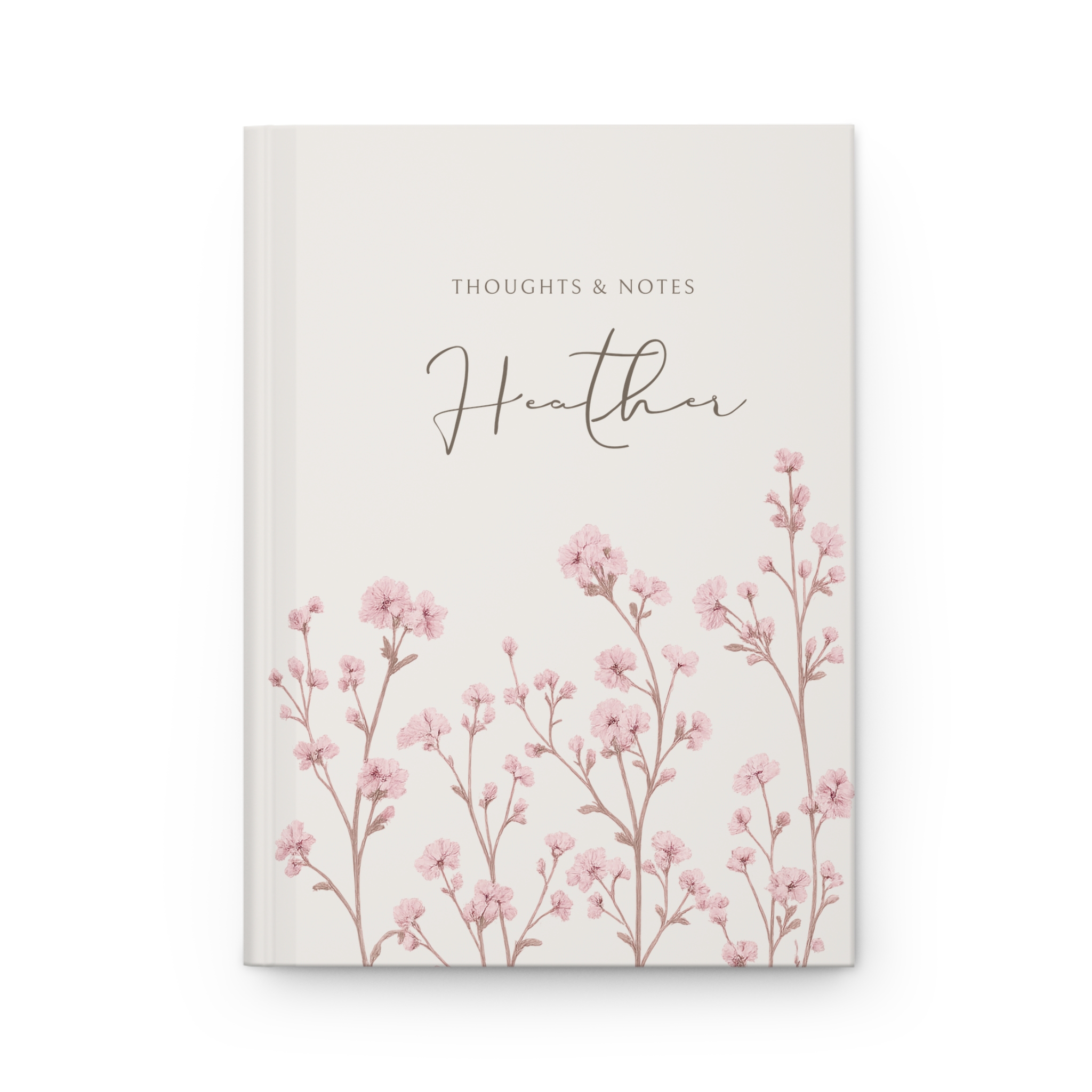
Personalized Floral Journal – Thoughts & Notes
$18.99 -
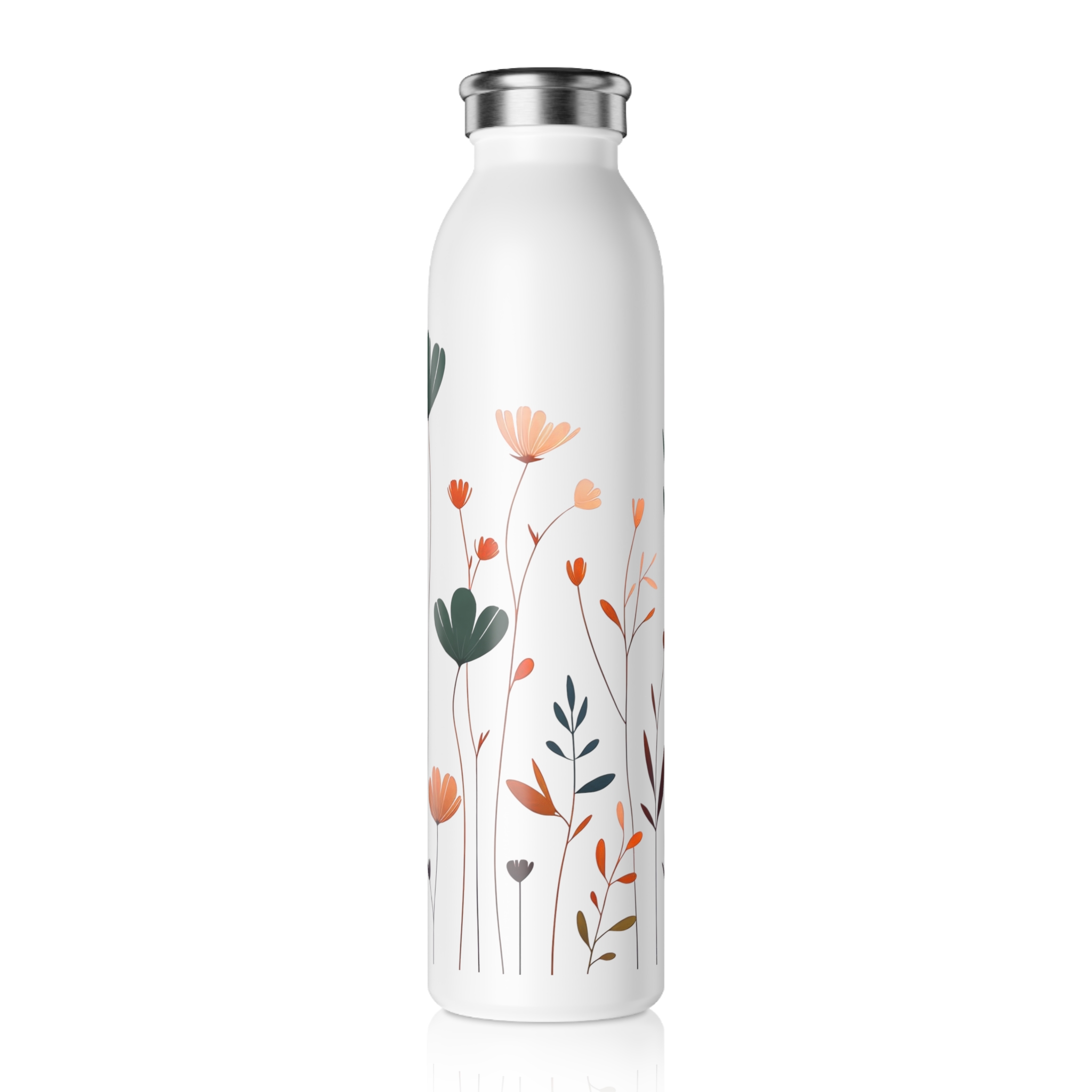
Personalized Wildflowers Along the Way Slim Water Bottle
$27.98 -
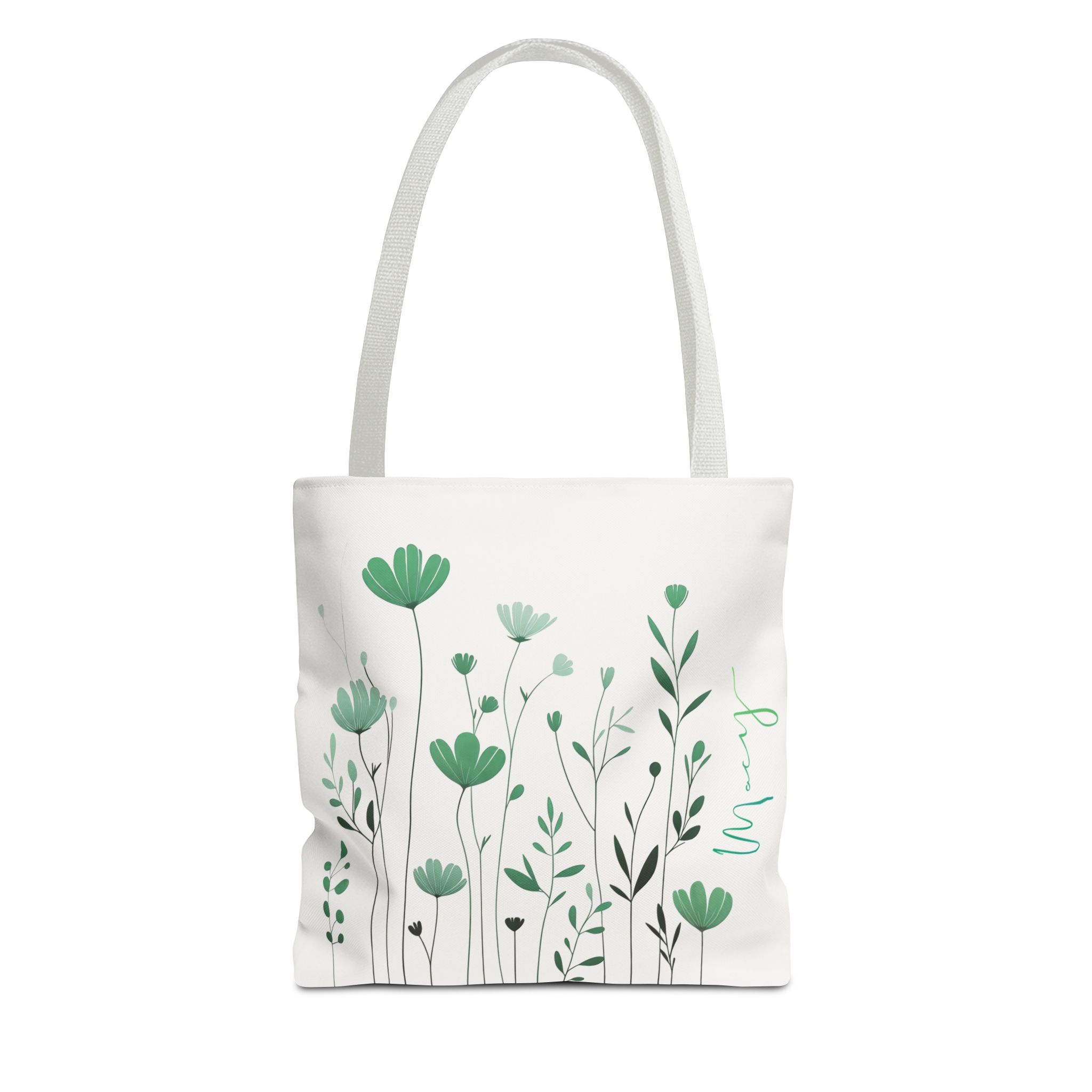
Emerald Meadow Personalized Tote Bag
Price range: $20.99 through $27.95 -
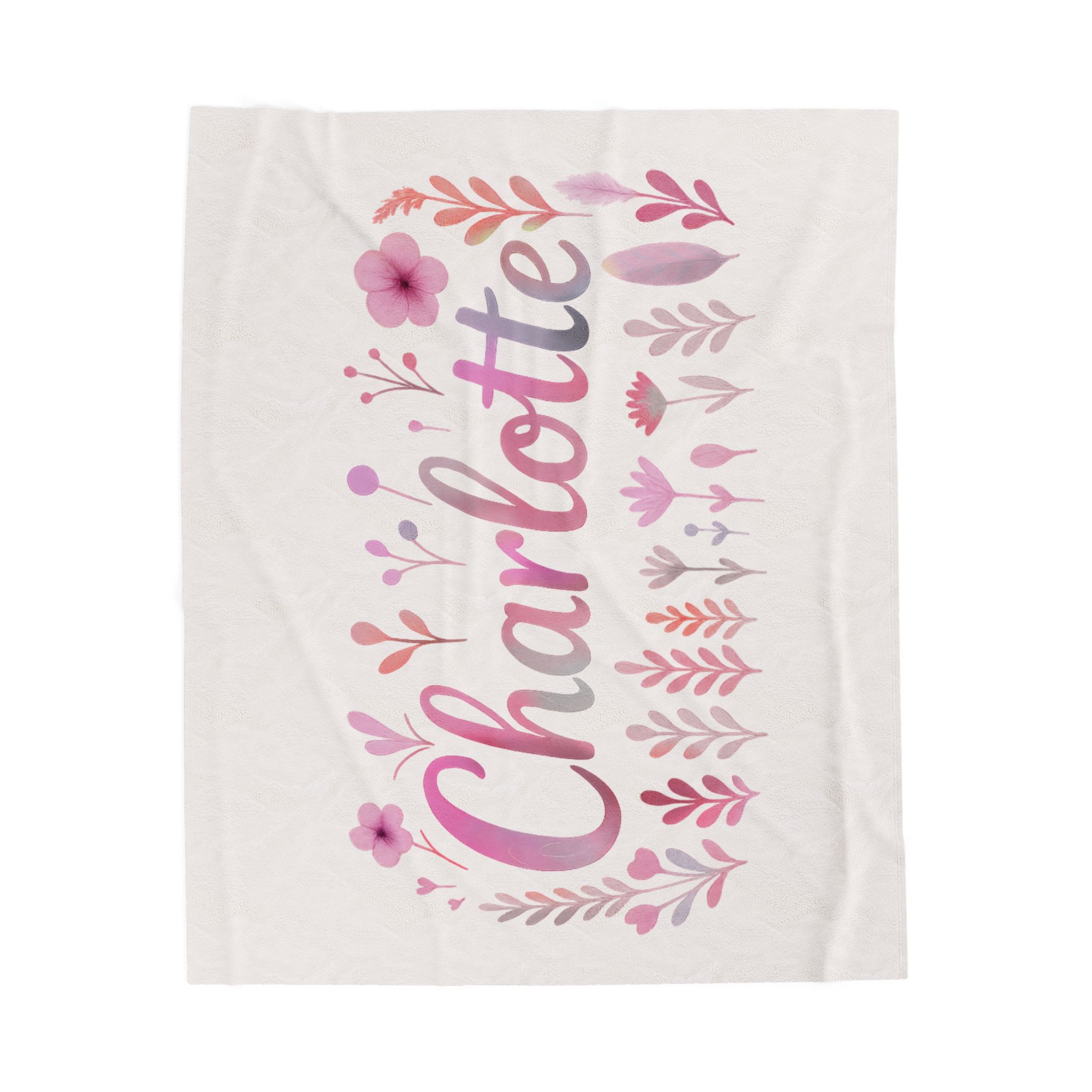
Personalized Wildflower Name Velveteen Blanket – Choose Your Style & Color
Price range: $42.99 through $54.99 -
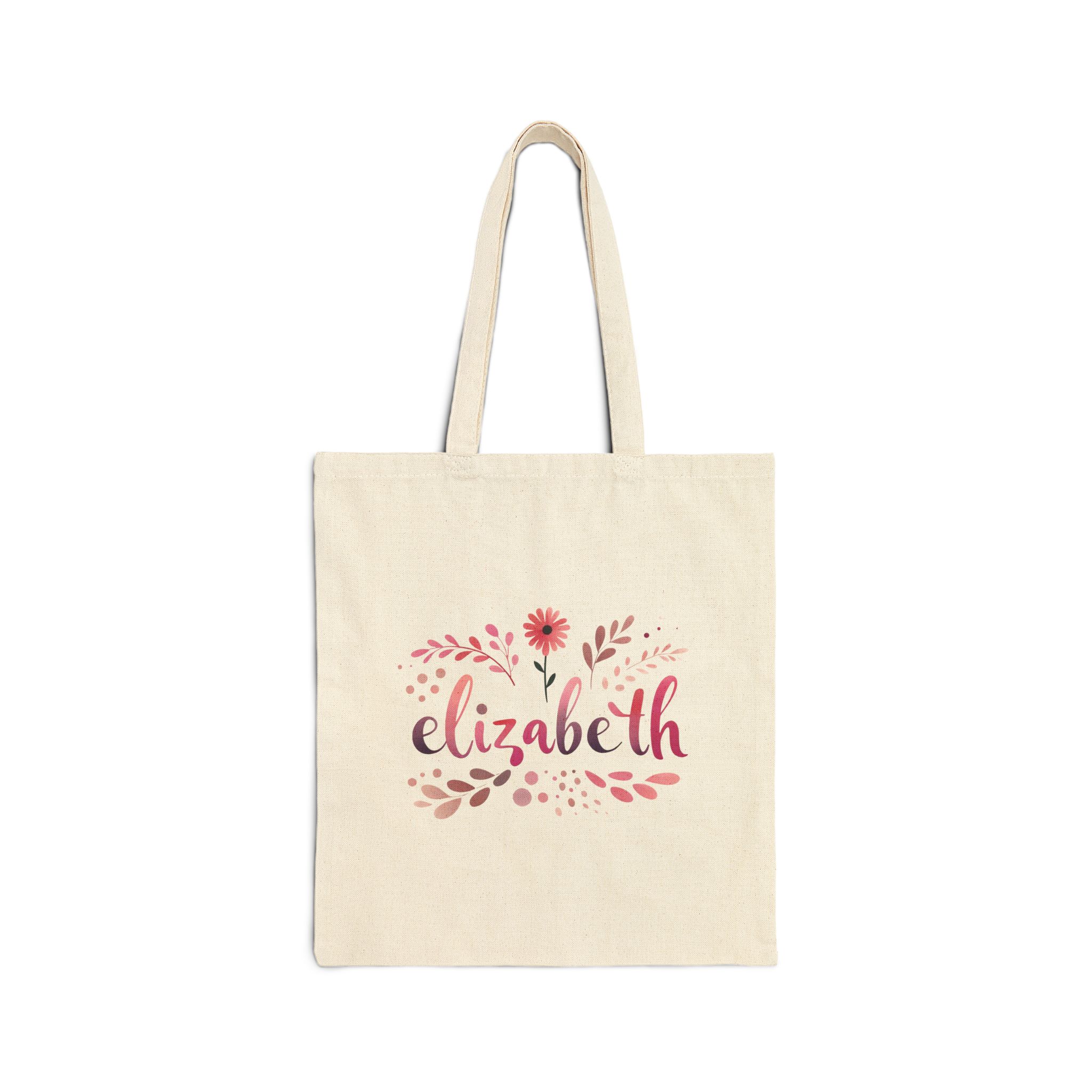
Personalized Wildflower Name Canvas Tote Bag – Choose Your Style & Color
$15.98 -
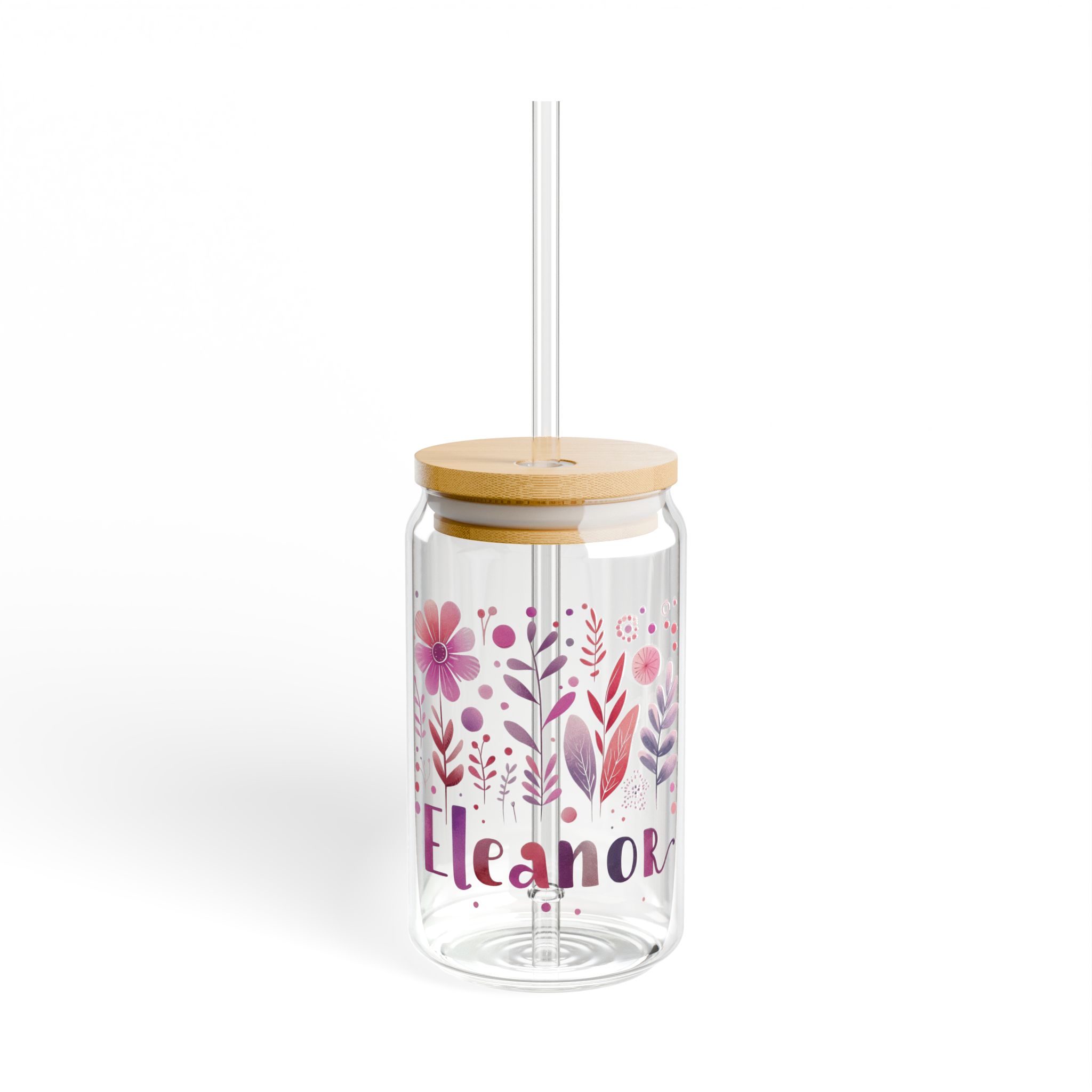
Personalized Wildflower Name Glass Tumbler – Choose Your Style & Color
$24.97 -
Sale!

Personalized Wildflower Name Plushy – Choose Your Animal, Style & Color
Original price was: $24.97.$19.99Current price is: $19.99. -
Sale!
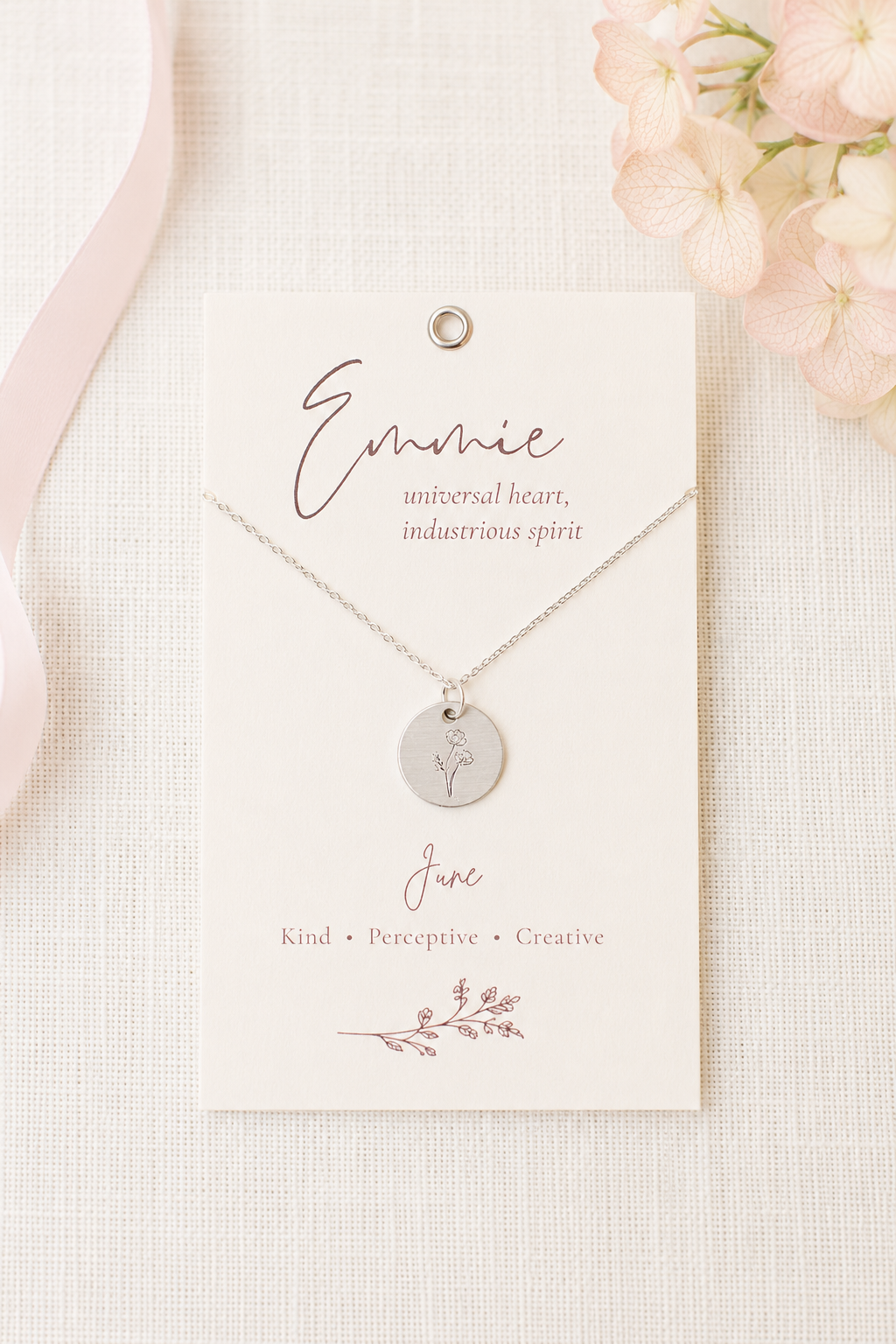
Personalized Poppy Necklace With Custom Meaning Card
Original price was: $24.99.$19.99Current price is: $19.99.